
There is one final note to touch on. Destiny 2 has made the same mistake as its predecessor. Introducing a new expansion has now locked out many Guardians from participating in some of the easier end-game content, and if those Guardians don’t pay up, too bad. It perfectly sums up the open arms of the Destiny franchise, while only having room to hold so many. Much like the Infinite Forest, Destiny 2 looks to be in a constant state of flux and can’t quite figure out the right simulation.
With 2018 in full swing, a solid first quarter down and plenty of games to keep anyone happy, Destiny 2 is likely not on the mind. Bungie has been straightening Destiny 2 out, though, and it finds itself on almost the exact same path that its predecessor took. This isn’t a bad path, but it leaves a a bland taste in the mouth. It’s medicine that can be swallowed with maybe some slight discomfort from past experiences. Destiny 2 will continue to course correct, and those improvements do help the game, but do they help it enough? That’s up for the player to decide, because making things work that should have been working all along isn’t a reason to come back.
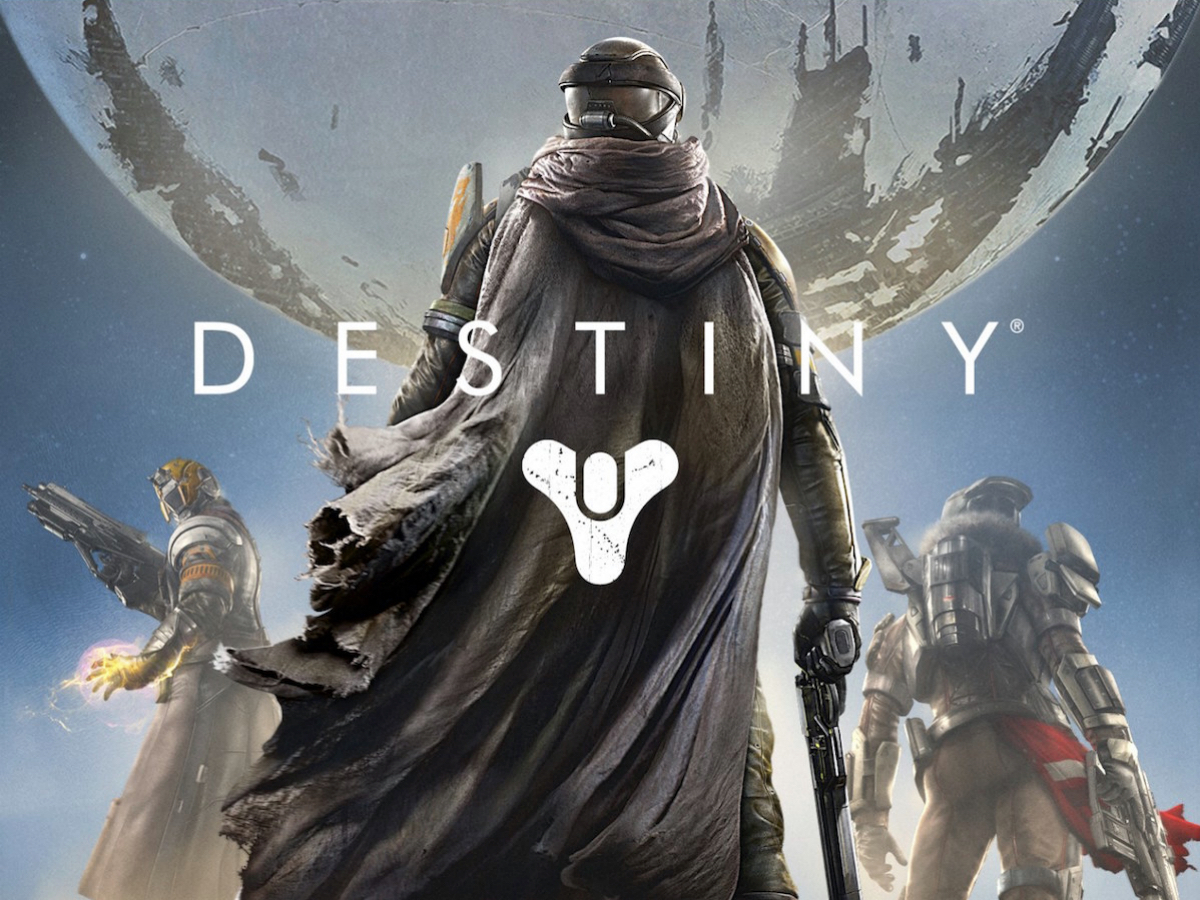 The biggest improvement was the most recent update fixing a massive number of woes that have been plaguing Destiny 2 since day one and adding certain improvements where needed. Sniper rifles are useful now; it’s been six months and a weapon choice has been entirely useless up to this point. For anyone who played Destiny, jumping back in now will bring you right back to when Icebreaker was popping Vex heads off from a comfy distance. This isn’t just a rant about snipers being bad and boo-hoo, this is just one major example of one of the many pitfalls Destiny 2 has been filling in. The best part is all weapon choices seem to have gotten a nice healthy balance. Every gun feels good to use and is reminding me more of old play in Destiny with the improvement of Destiny 2. Classes have also seen dramatic improvements; not once did I find myself using the Sunbreaker until this most recent patch.
Including all content from Curse of Osiris in the base game might have helped ease some of the end-game pains that the launch brought with it. It’s not too much more to do, but it might have smoothed over a few wrinkles by including that extra content. It would also have made the loot pool larger; maybe Guardians wouldn’t be as frustrated at the limited item sets, lackluster exotics and other cosmetics. Giving more isn’t always the best idea, but in this case, it could have been.
The most significant aspect of Destiny 2’s campaign is that it has an actual campaign. After Destiny and Rise of Iron’s cookie-cutter missions, nightstalker Pve Builds it’s nice to have something with more variety and substance than “bad guy over there, go kill it.” That’s not saying Destiny 2’s campaign is anything deep. Characters jump in and out of the campaign quickly as the story moves you from world-to-world. While the quick pacing keeps things moving, it never slows down enough to create any connections between the player and the world. Worst yet is the player’s Guardian who, in Destiny 2, is relegated to a silent protagonist. Ghost ends up speaking the entire time for the player and comes off as annoying. The current set up with the Ghost quickly becomes grating, and even more annoying when other characters point out your silence. This was purposefully done so that players can become invested in their Guardian, but in execution comes off as cartoonish.
With these sorts of compromises becoming commonplace, it’s no wonder that there are many gamers out there who’ve become afraid of the casual audience. More and more often they’re seeing niche series they enjoy getting compromised and simplified for the sake of attracting the casual player. Are they right to vilify the casual audience? No, absolutely not . Like it or not, the casual audience is vital to gaming’s survival and it’s not the their fault that publishers are trying to get their attention. Instead of insulting and ridiculing casual players, hardcore fans should be trying to bring them into the fold. In fact, publishers and developers should be trying to do the same thing. Major departures like Fallout 4 and Dead Space 3 would better serve their creators and IP as side-games rather than mainline series entries. If a given publisher’s goal really is to expand a series’ player base, then use these sorts of games to attract people that can actually be converted into fans rather than simply going for the easy sale. They should be trying to create long-term customers rather than simply attract short-term guests. There is still great value to be found and lots of money to be made in the various genre niches. Their fans are passionate and are willing to support honest effort if it means getting more of what they love. It’s just a matter of respecting them and the series they love when trying to increase their ranks.
Unfortunately, most of the rest of the content Curse of Osiris provides isn’t top quality. Mercury doesn’t offer the space or sense of wonder other areas provide to make it a worthwhile social space or area to explore. The Lighthouse, the new social space, is way smaller than it was in the original Destiny, and it only contains one vendor to interact with. Meanwhile, the open area of Mercury is just a tiny circle, so tiny in fact that Sparrows are disabled to give the illusion it’s bigger than it really is. On Mercury, you’ll find one public event, three adventures, and one Lost Sector. For a planet that has been teased since the initial release of Destiny, it’s appearance in Destiny 2 is underwhelming.
0